THE VAULT OF TRUST

ARCHITECTURE AS A CIVIC LEDGER FOR CARBON, VALUE, AND GOVERNANCE

CROSS-SCALE ARCHITECTURE

URBAN SYSTEMS & CIVIC INTELLIGENCE

URBAN SYSTEMS & CIVIC INTELLIGENCE

URBAN SYSTEMS & CIVIC INTELLIGENCE

PLATFORM FOR AUTOMATION

PLATFORM FOR AUTOMATION

PLATFORM FOR AUTOMATION

Institution

Columbia Universtiy GSAPP

Location

Ludhiana District, Punjab, India(Project Site) New York, NY(Design Location)

Date

Original Exhibition Team

Original Exhibition Credits

Post-Exhibition Development

Acknowledgments

The Vault of Trust


The Vault of Trust recasts architecture as a civic ledger, making carbon, value, and governance auditable, binding proof to policy. In 2030, Ludhiana District, Punjab, India, rice-straw smog and climate shocks undermine banks, data credibility, and carbon accounting. Villages convert rice straw into biochar through low-oxygen pyrolysis and test each batch for stability. A Decentralized Autonomous Organization (DAO) defines MRV (measurement, reporting, and verification), issues blockchain-anchored material passports, and mints CharCoin, one coin per verified kilogram, backed 1:1 by sequestered carbon. The building stages the system in public, synchronizing loading, testing, registration, storage, and deliberation with an on-chain digital twin. Thick black biochar walls hold thirty percent as a visible reserve; seventy percent becomes biochar-composite housing, translating carbon evidence into housing and savings. A computational model links rice-straw and biochar yields, Vault capacity, and seasonal carbon flows, positioning the Vault as replicable infrastructure for autonomy and climate-era public trust.
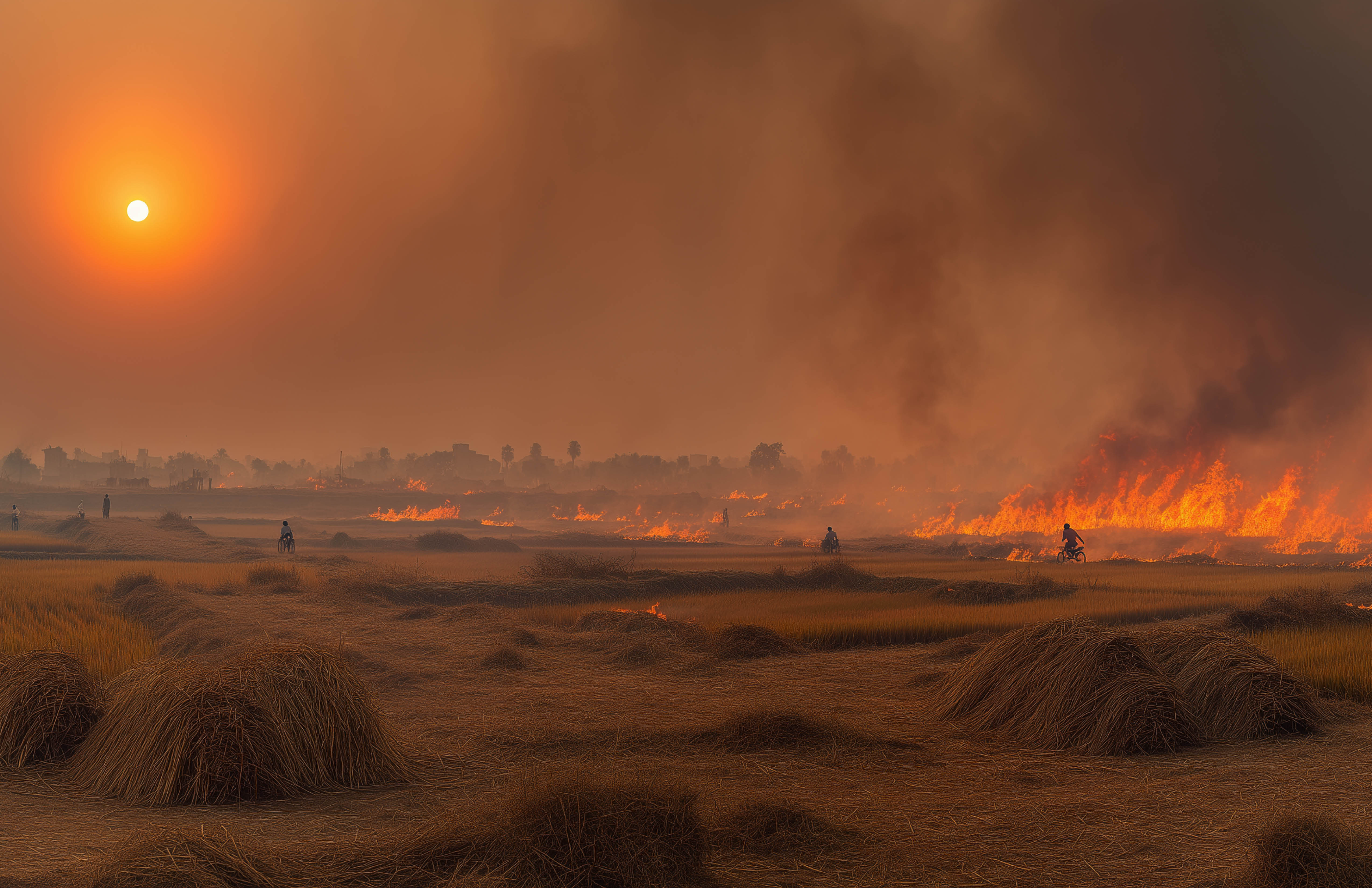
Systemic Crisis of Trust

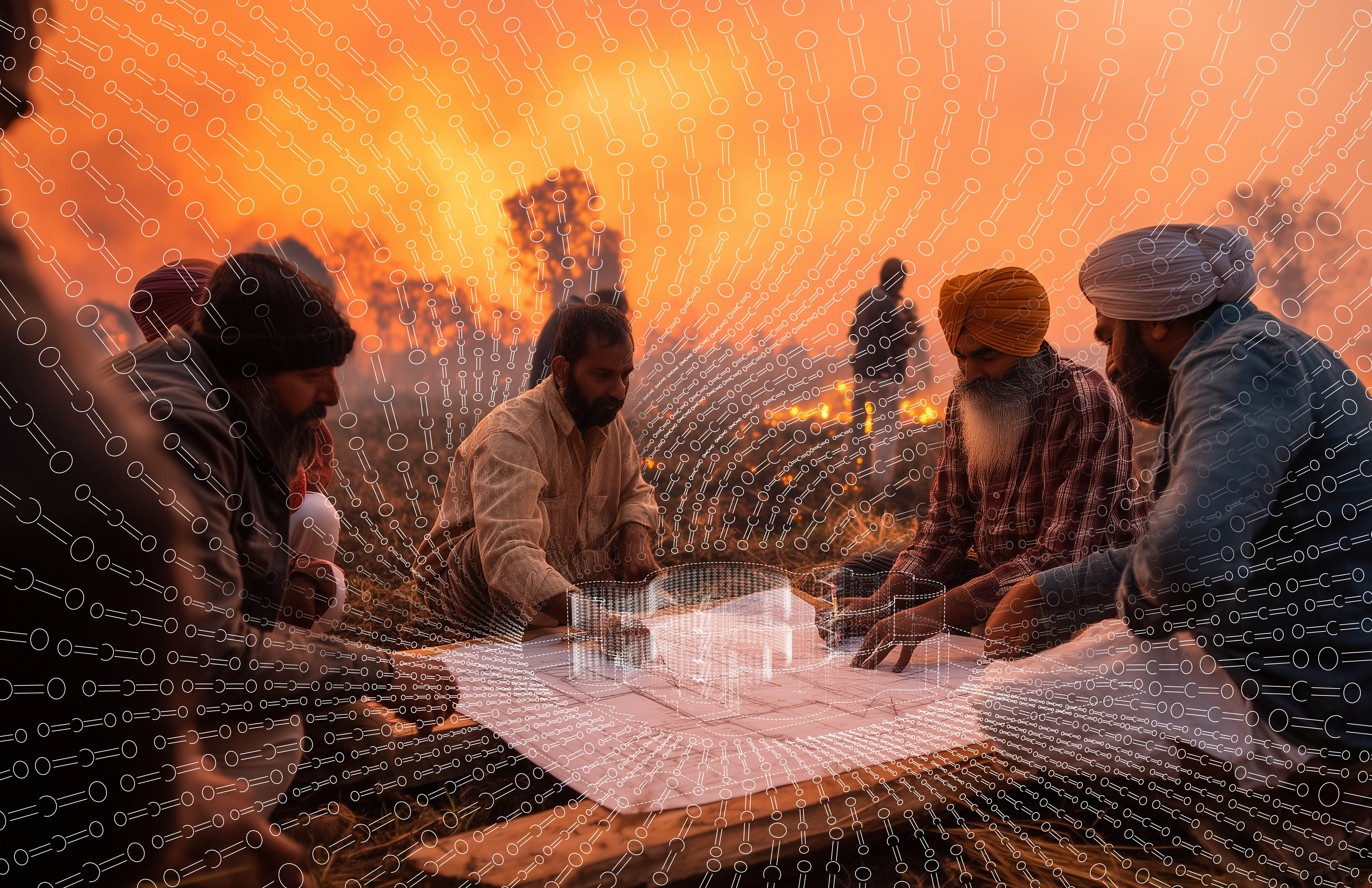
In 2030, harvest cycles across Punjab ended in the widespread burning of rice straw. Black smoke spread across rural settlements as soil quality deteriorated, crop yields declined, and weather patterns became increasingly volatile. For three consecutive years, government programs failed to materialize, bank credit remained frozen, and commodity prices from gold to carbon surged and collapsed without benefiting local economies. Carbon markets and monetary systems continued to operate, yet large segments of rural society remained structurally excluded from both. What collapsed was not a single institution, but trust itself. Frameworks once designed to guarantee stability persisted only as hollow abstractions, their ledgers detached from lived conditions and their promises evaporating under sustained environmental and economic stress.
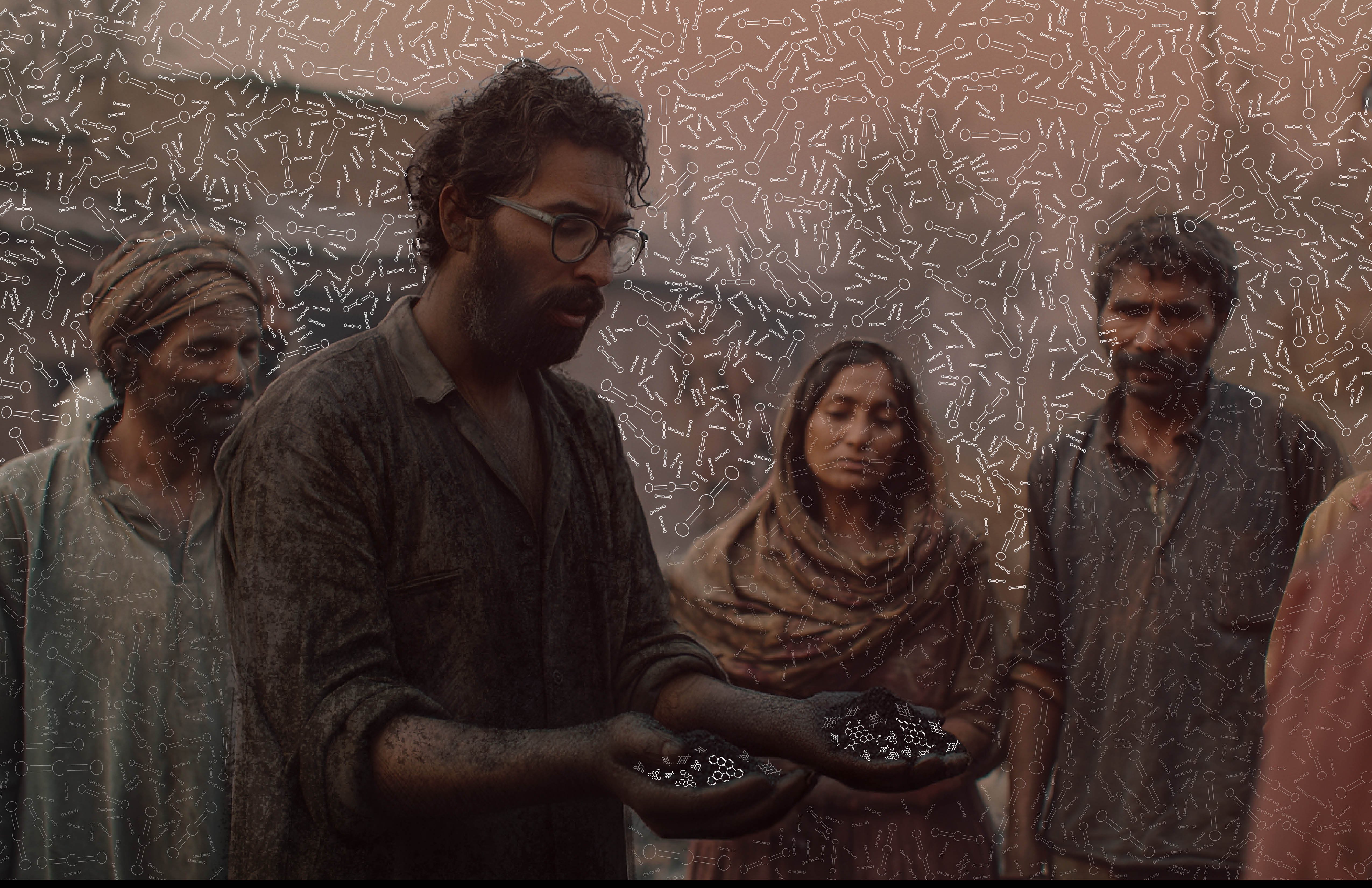
Biochar Recognized as Survival Value

During this period, knowledge from agricultural research stations circulated back into rural practice. Biochar, a stable carbon-rich material produced from crop residues through low-oxygen pyrolysis, was identified as fundamentally different from ash generated by open burning. Its molecular stability enabled carbon to be locked away for centuries while gradually restoring degraded soils. Over successive seasons, field conditions confirmed this distinction: soil structure hardened, seedling vitality declined, and conventional remediation failed. Biochar shifted from an experimental material to a critical means of survival. Its permanence offered what volatile markets could not: a form of value that remained materially present and environmentally legible.
Institution

Columbia Universtiy GSAPP

Location

Ludhiana District, Punjab, India(Project Site) New York, NY(Design Location)

Date

2025

Critic

David Benjamin

Collective Action and the Need for Proof

In response, a small group of households pooled limited resources to acquire mobile pyrolysis units. This marked an initial step toward local autonomy in production, reducing dependence on external firms. Early outputs, however, proved inconsistent, containing moisture, ash, and partially combusted residues that rendered them unsuitable for storage or exchange. Technical modification alone was insufficient. Without shared standards for measurement and verification, biochar remained an undifferentiated black material whose value could not travel beyond the village. A system capable of rendering quality legible and trust transferable became necessary.

Stable Carbon as Currency

As rural and urban knowledge networks intersected, a new proposition emerged: if carbon stability could be demonstrated across centuries, that permanence could function as a store of value more reliable than fluctuating financial instruments. Rice straw, once treated as waste, could be transformed into sequestered carbon capable of supporting soil regeneration, carbon removal markets, and construction materials. For carbon to operate as currency, however, it would require an institutional framework capable of issuing, verifying, and governing value at scale.

Village DAO and the Proposal of the Vault

This proposition aligned multiple villages around a shared governance challenge. To avoid repeating failures imposed by external control, rules governing issuance, reserves, and oversight had to be locally defined. A Decentralized Autonomous Organization (DAO) was established to formalize these principles, grounded in the requirement that value remain transparent. Architectural expertise translated this requirement into spatial form, proposing a Vault where verification, storage, allocation, and deliberation could unfold publicly. The building was conceived not merely as a container of functions, but as an active mechanism through which trust would be performed and made visible.

Modeling Flows and a Replicable Prototype

Computational models integrated data on biochar production, soil demand, and seasonal agricultural cycles to simulate carbon flows at the village scale. These models calibrated kiln output against land absorption capacity and storage limits, enabling adaptation across different regional contexts. Governance protocols restricted currency issuance to biochar batches that met defined thresholds for moisture content and stability. Through iterative adjustment, production practices converged toward verifiable consistency. Allocation rules were formalized: seventy percent of verified biochar would enter housing construction, thirty percent would be retained as Vault reserves, and remaining material would return to the fields for soil restoration.

Project Catagory

Institution

Columbia Universtiy GSAPP

Date

2025

Location

Ludhiana District, Punjab, India(Project Site) New York, NY(Design Location)

Team

Recognition

Building the first vault and CharCoin rules

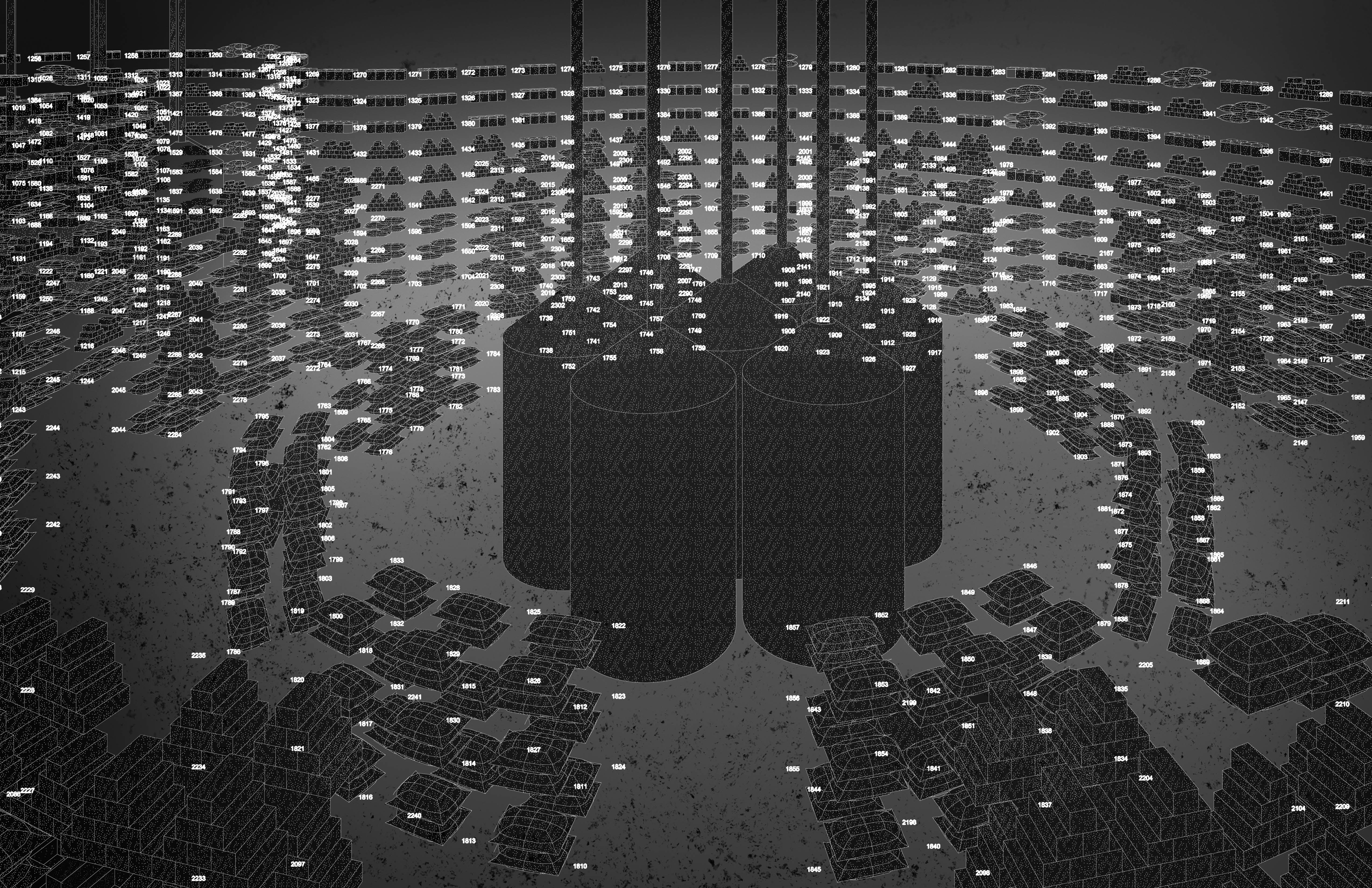
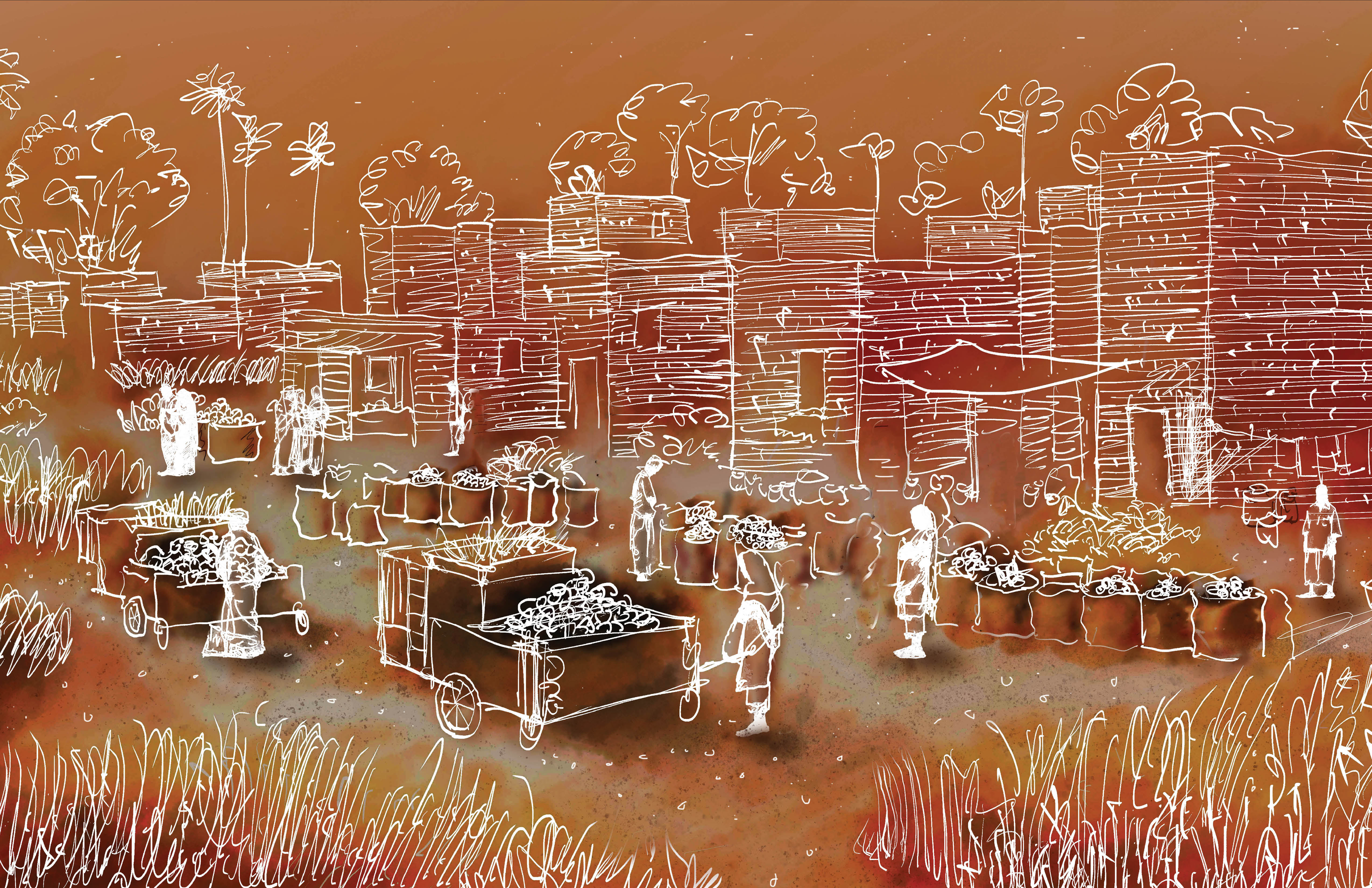
The first Vault was constructed as a cooperative civic infrastructure, combining pooled savings with local labor. Small-scale biochar production occurred at field edges, and sacks were brought to the Vault for moisture and stability tests. Batches that met verification standards were admitted into the system. Each verified kilogram generated one CharCoin, backed 1:1 by verified sequestered carbon and paired with a blockchain-anchored material passport. Verified biochar was then allocated by rule: approximately thirty percent was retained on-site as a visible reserve embedded within the Vault, while the remaining seventy percent circulated into new housing as traceable, carbon-storing construction units.

Ground floor as carbon ledger

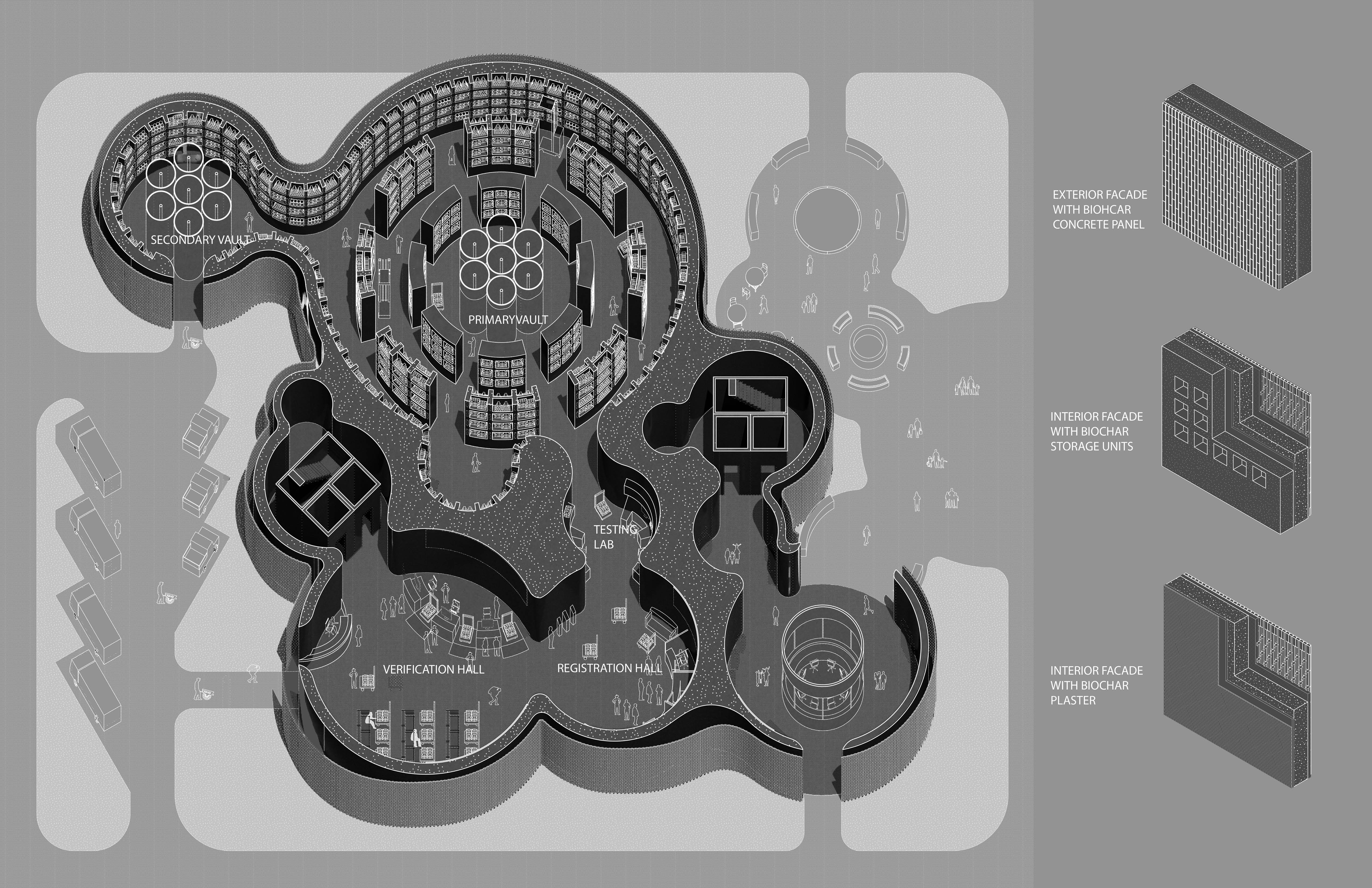
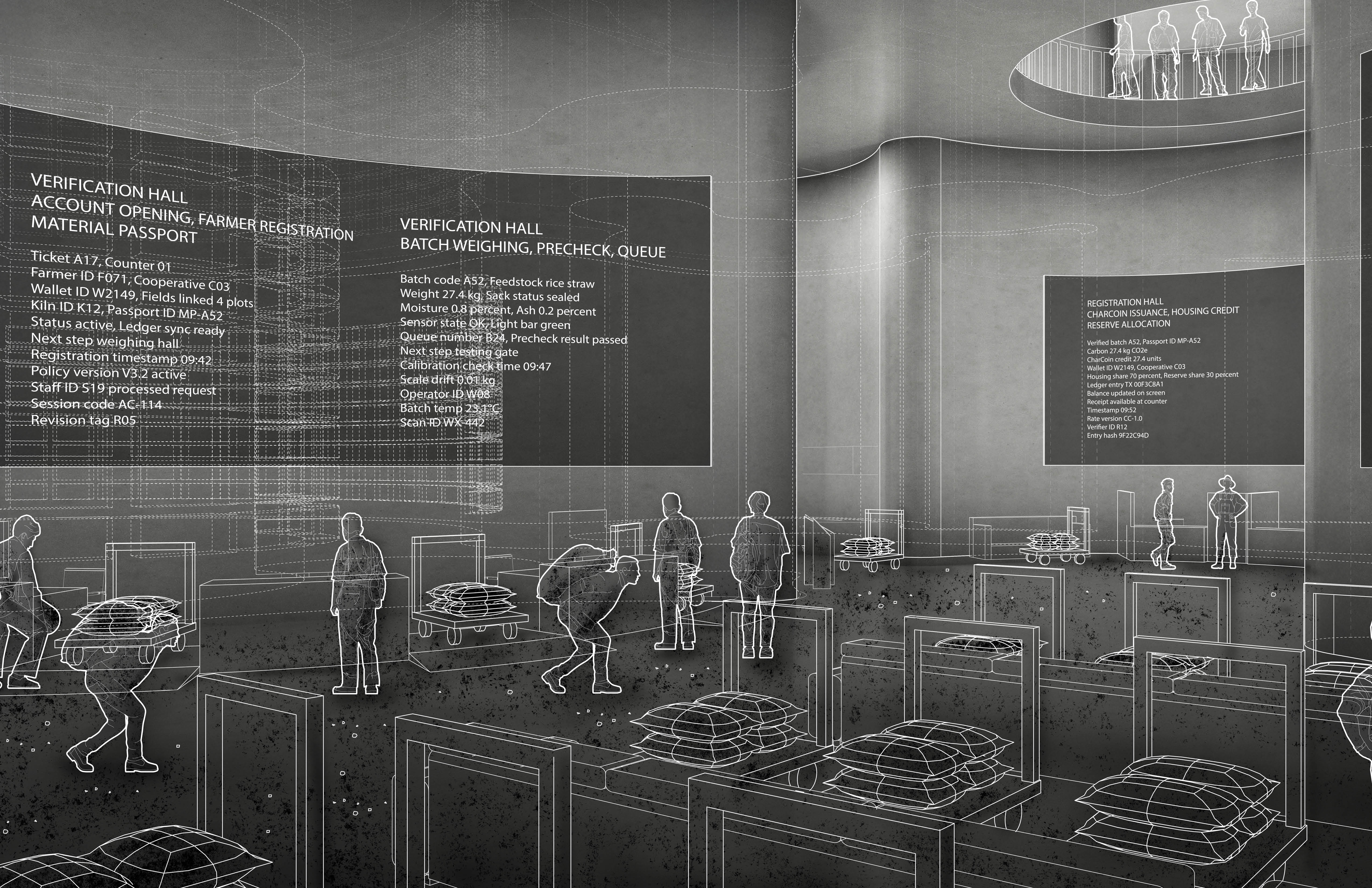
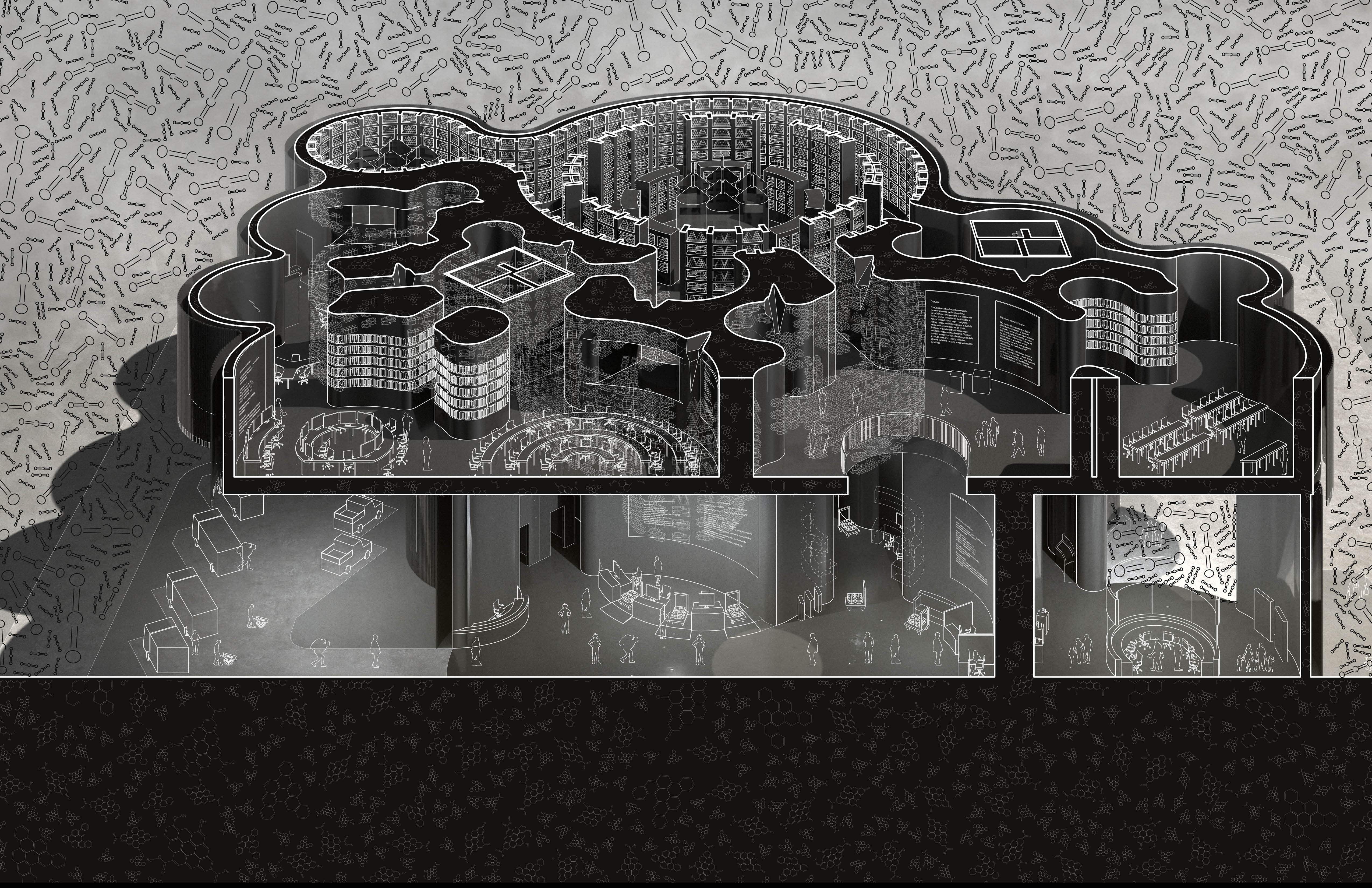
Within the building, the process unfolded as a publicly accessible sequence: intake at the loading dock, weighing and testing in the Verification Hall, documentation in the Registration Hall, blockchain-based certification, and secured storage. Each step produced a corresponding record, synchronizing physical handling with the on-chain ledger in real time. Material either accumulated within reserve walls as visible backing for issued CharCoin or circulated into housing as tagged units of value.

MRV Framework and the Issuance of CharCoin

Under DAO governance, each verified kilogram of biochar corresponded to one CharCoin. The Measurement, Reporting, and Verification (MRV) framework governed issuance, ensuring that currency generation remained inseparable from material evidence. Verification events were publicly legible, linking digital records directly to physical carbon storage. Currency was issued not through centralized authority, but through collectively witnessed processes grounded in measurable sequestration. Trust transitioned from abstraction to infrastructure.


Stored Carbon as a Physical Ledger

Verified biochar was compacted into thick storage walls, forming a physical ledger underlying every issued CharCoin. Quantified deposits corresponded precisely to digital records, and the accumulation of material rendered value spatially visible. As reserves expanded, the architecture itself registered carbon removal, transforming mass into evidence. The building operated simultaneously as construction, storage, accounting system, and civic archive.

CharCoin in Daily Life

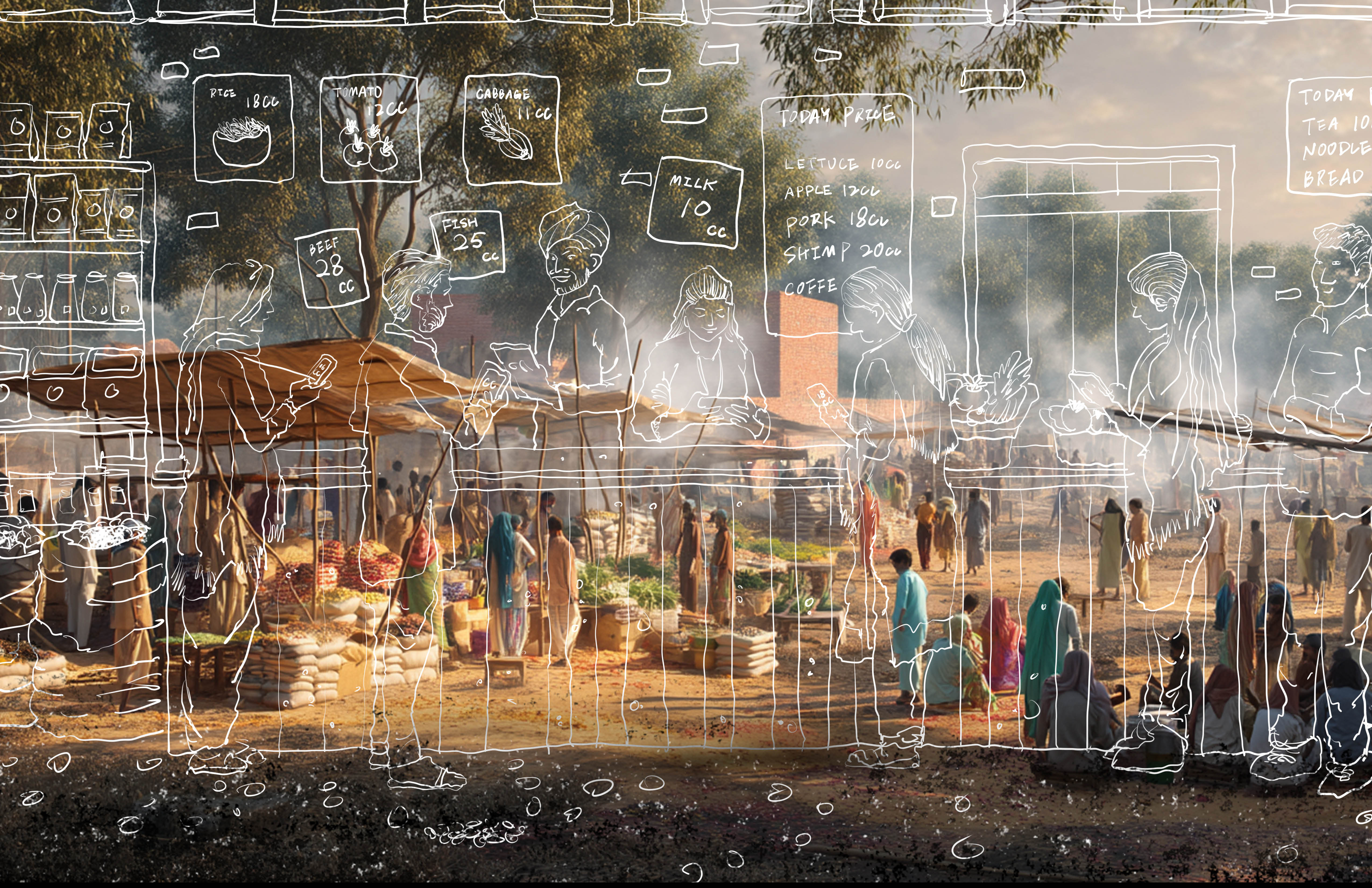
CharCoin entered circulation through labor exchange, local trade, and digital transactions. The currency moved within and between villages, establishing an economic ecosystem anchored in verified carbon. Governance debates intensified around reserves, issuance limits, and decision-making authority. These disputes did not signal instability, but engagement, prompting the refinement of transparent mechanisms for collective governance over a shared monetary system.

Project Catagory

Institution

Columbia Universtiy GSAPP

Date

2025

Location

Ludhiana District, Punjab, India(Project Site) New York, NY(Design Location)

Team

Recognition

Public Governance and External Trust

Upper levels of the Vault housed deliberative spaces, including a DAO Hall aligned vertically with testing and storage zones. Architectural sightlines connected debate, verification, and reserves into a single continuous system. External actors encountering this transparency evaluated risk through direct observation of material backing and live governance procedures. Acceptance of CharCoin followed, marking an initial extension of trust beyond the originating communities.

Everyday Life as a Carbon Sink

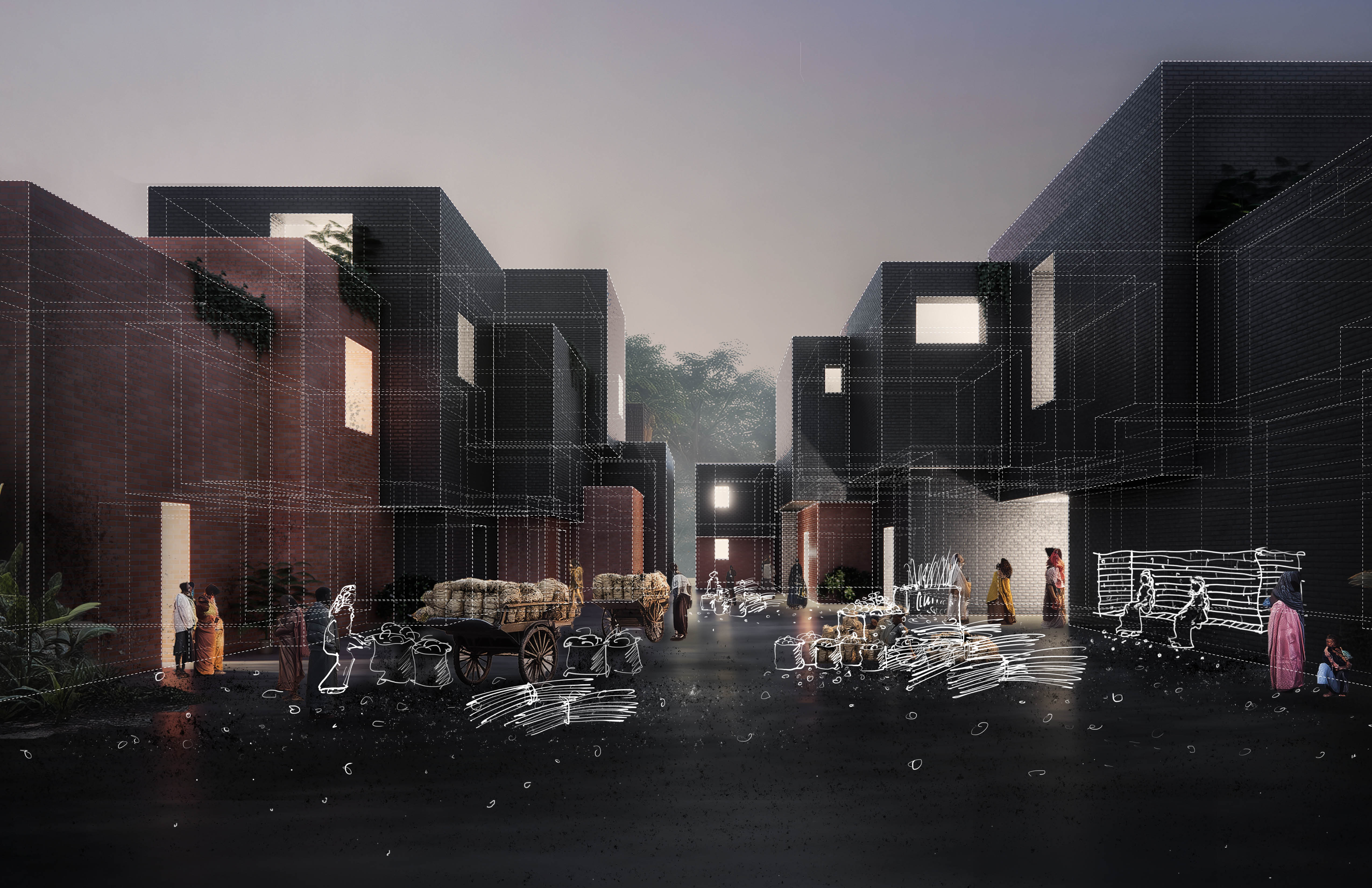
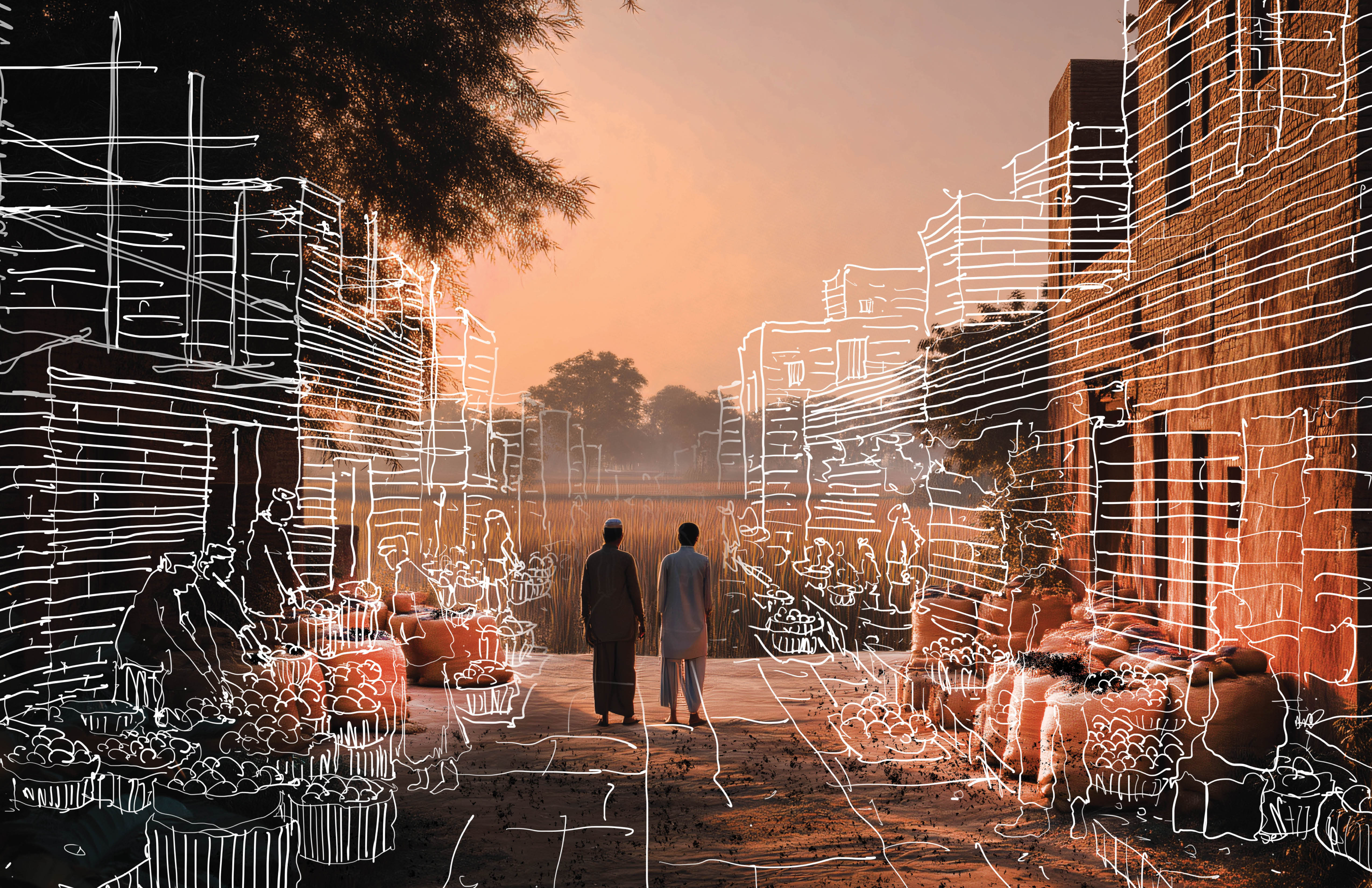
Over time, accumulated CharCoin enabled residents without prior property ownership to redeem verified biochar for construction bricks and assemble permanent housing independent of bank credit. Domestic architecture incorporated stored carbon directly into daily life, converting dwellings into long-term carbon sinks. As biochar buildings proliferated, the visual character of the village shifted: darkness no longer signified smoke, but stored carbon, collective value, and publicly accountable trust.

Project Catagory

Institution

Columbia Universtiy GSAPP

Date

2025

Location

Ludhiana District, Punjab, India(Project Site) New York, NY(Design Location)

Team

Recognition

Coastal Boutique Cover

Next Project

Coastal Boutique Cover

Next Project

Coastal Boutique Cover

Next Project